

Installing new sod is one of the most gratifying home improvement projects a homeowner can undertake. In a matter of hours, a patch of bare soil is transformed into a lush, green carpet that instantly boosts curb appeal. However, the success of this living investment is not determined by the installation itself, but rather by the care it receives immediately afterward. The most common question homeowners ask is how long they should wait before watering their new grass. The short answer is that you should not wait at all. In fact, waiting even a few hours can be detrimental to the health of the turf. Understanding the precise timeline for hydration is essential for ensuring the roots establish firmly into the soil.
The Critical Importance Of Immediate Hydration
Sod is essentially a transplant patient. It has been severed from its original root system on the farm, rolled up, transported, and laid out on foreign soil. During this process, the plant is under tremendous stress and has very little capacity to store moisture. The moment the first roll hits the ground, the clock starts ticking.
You should begin watering your new sod within thirty minutes of installation. If you are laying a large area, do not wait until the entire yard is finished to start watering. It is best to work in sections. Once a section is completed, set up a sprinkler or hand water that area while you continue to install the rest. The goal is to dampen the soil underneath the sod to a depth of three or four inches. This initial watering is crucial because it eliminates air pockets between the turf and the topsoil, ensuring direct contact which is vital for root knitting.
Establishing A Schedule For The First Week
For the first seven to ten days, your primary objective is to keep the sod and the soil surface constantly moist but not soggy. The roots are still short and located entirely within the layer of the sod itself, meaning they cannot access deep soil moisture yet. If the top layer dries out, the roots will shrink and die.
During this first week, you will likely need to water multiple times a day. A typical schedule involves watering three to four times daily for short intervals, usually between five to ten minutes per zone. Ideally, these watering sessions should occur at roughly 8:00 AM, 11:00 AM, and 2:00 PM. This schedule keeps the grass cool during the hottest parts of the day and prevents the delicate leaves from wilting. Avoid watering late in the evening, as water sitting on the grass blades overnight can encourage fungal diseases like pythium blight, especially in humid conditions.
Transitioning During The Second Week
By the second week, the roots should begin to penetrate the native soil. You can check this by gently trying to lift a corner of a sod piece. If you feel resistance, the roots are knitting. Once this process begins, you need to change your watering strategy to encourage deeper root growth.
Continue watering every day, but reduce the frequency to once per day. Increase the duration of this single session to ensure the water penetrates deeper into the ground. This trains the roots to grow downward in search of moisture rather than staying near the surface. Shallow roots result in a weak lawn that is highly susceptible to drought and heat stress later in the season.
Managing Moisture With Precision Tools
Maintaining this rigorous schedule can be difficult for homeowners with busy lives. Hand watering is often inconsistent, leading to some areas being flooded while others remain dry. Overwatering can be just as damaging as underwatering, causing the sod to rot before it can take hold.
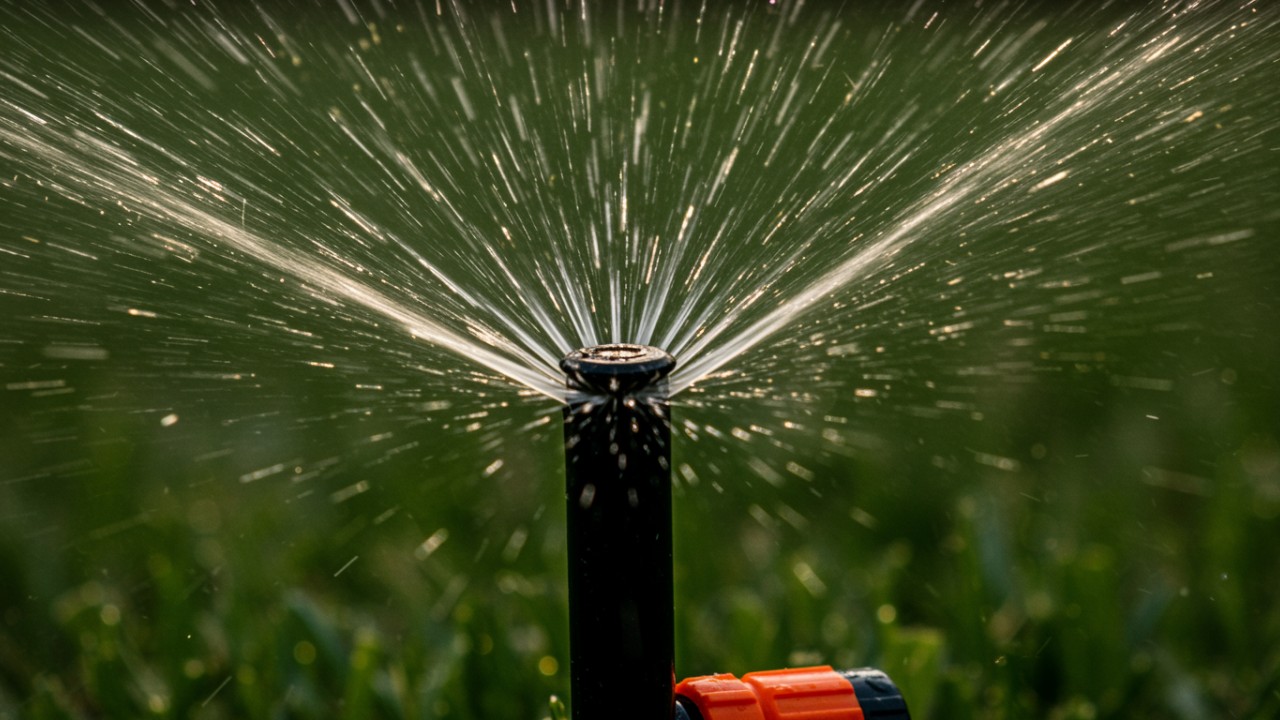
To ensure the new turf receives the exact amount of hydration required without waste, installing a smart irrigation system is highly recommended. These systems can be programmed to handle the frequent, short cycles needed in the first week and then easily adjusted for deep, infrequent watering as the lawn matures. Automated systems remove the guesswork and ensure that the critical midday watering sessions happen even if you are not at home.
Dealing With Runoff And Protecting Hardscapes
When watering frequently, managing runoff is a valid concern, especially if the new sod is adjacent to patios, walkways, or swimming pools. Muddy runoff can stain concrete and contaminate pool water. It is important to adjust sprinkler heads so they do not overspray onto hard surfaces.
If you have a swimming pool near your new lawn, the installation process and subsequent watering can introduce dust, dirt, and grass clippings into the water. Keeping the pool area clean is essential to prevent these contaminants from affecting the water chemistry. Using a cordless pool vacuum allows you to maintain the pool floor without dragging heavy hoses across the delicate, newly laid sod. Keeping heavy equipment off the lawn is vital during the first few weeks to prevent indentations and root damage.
Recognizing Signs Of Stress And Adjustment
Even with a perfect schedule, your sod may show signs of stress. It is important to distinguish between heat stress and disease. If the grass takes on a bluish-gray tint or if footprints remain visible after you walk on it, the grass is thirsty and needs immediate water.
Conversely, if the sod feels spongy or squishy when you walk on it, or if you see water pooling in low spots, you are overwatering. The soil should be moist, not saturated. If you lift a corner of the sod and smell a rotting odor or see black roots, you must reduce the water immediately to allow oxygen to reach the root zone.
Long Term Care And The First Mow
By the third week, if the rooting is successful, you can transition to a normal maintenance schedule, watering about one inch per week, either through rainfall or irrigation. This is also typically when the grass is ready for its first mow. Ensure your mower blade is sharp to avoid tearing the young grass blades, and never remove more than one-third of the blade height at a time. Before mowing, stop watering for a day to allow the ground to firm up; this prevents the mower wheels from sinking in and creating ruts in the soft soil.
Conclusion
The window of time immediately following sod installation is unforgiving. Watering must begin within thirty minutes of the grass being laid to ensure survival. By committing to a disciplined schedule of frequent, shallow watering in the first week and gradually transitioning to deep, infrequent watering, you force the roots to establish a strong foundation. Utilizing precise irrigation tools and protecting the surrounding landscape from runoff ensures that your investment matures into a durable, healthy lawn that enhances your property for years to come.
 jack reacher