

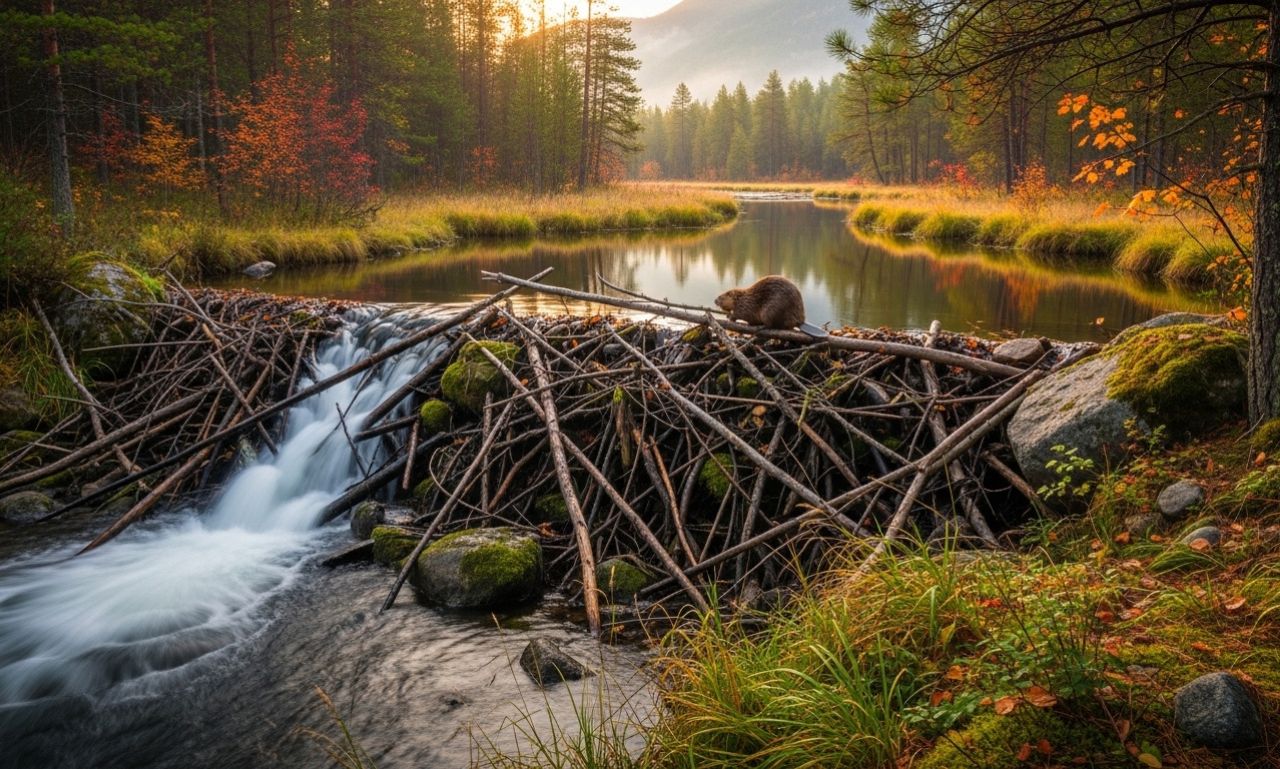
A beaver dam is one of the most remarkable natural structures created by animals. Built by the hardworking Beaver, these dams transform flowing streams into calm ponds that provide safe habitats for beavers and many other species. Beaver dams are often considered examples of natural engineering, showing how animals can significantly shape their environment.
These structures not only benefit beavers but also play an important role in maintaining healthy ecosystems.
What Is a Beaver Dam?
A beaver dam is a barrier constructed by beavers across streams or small rivers using natural materials such as:
-
Tree branches
-
Logs
-
Stones
-
Mud
-
Leaves and plants
By blocking the flow of water, the dam creates a pond or wetland behind it. This pond provides protection from predators and easy access to food.
Why Beavers Build Dams
Beavers build dams mainly to create safe and stable living conditions. The pond formed by the dam allows them to construct their homes, known as Beaver Lodge, in the middle of the water.
The benefits of a beaver dam include:
-
Protection from predators such as wolves or bears
-
Easy underwater access to their lodge
-
Storage of food during winter
-
A stable water level around their habitat
How Beavers Build Dams
Beavers are excellent builders and use their strong teeth and paws to gather materials. The construction process typically involves several steps:
-
Cutting down trees: Beavers use their powerful front teeth to gnaw through tree trunks and branches.
-
Transporting materials: They drag or float the wood to the building site.
-
Stacking branches: Sticks and logs are arranged across the stream.
-
Sealing with mud: Mud, stones, and vegetation are added to strengthen and waterproof the structure.
Some beaver dams can become hundreds of meters long, making them visible even from satellite images.
Environmental Benefits of Beaver Dams
Beaver dams provide many ecological benefits and are considered important for ecosystem health.
Wetland Creation: The ponds formed by dams create wetlands that support birds, fish, amphibians, and insects.
Water Storage: Beaver ponds help store water, which can reduce the impact of droughts.
Flood Control: Dams slow down water flow, reducing downstream flooding.
Water Filtration: Wetlands created by beavers naturally filter sediments and pollutants from water.
Because of these benefits, beavers are often called “ecosystem engineers.”
Wildlife That Benefits from Beaver Dams
Many animals rely on the habitats created by beaver dams, including:
-
Fish such as trout and salmon
-
Waterfowl and ducks
-
Frogs and amphibians
-
Otters and muskrats
-
Various insects and aquatic plants
The increased biodiversity around beaver ponds makes these areas extremely valuable for wildlife.
Challenges and Human Conflicts of Beaver Dam
Although beaver dams provide ecological benefits, they can sometimes cause problems for humans. For example:
-
Flooding of roads or farmland
-
Damage to trees and crops
-
Blocked drainage systems
In many regions, wildlife management programs try to balance conservation and human needs when dealing with beaver populations.
Conservation and Importance of Beaver Dam
In the past, beavers were heavily hunted for their fur, leading to population declines in some regions. Today, many conservation programs aim to restore beaver populations because of their important environmental role.
Restoring beaver habitats can help improve water systems, increase biodiversity, and support healthier ecosystems.
Conclusion on Beaver Dam
Beaver dams are extraordinary examples of animal engineering. By building these structures, beavers create ponds and wetlands that benefit countless other species and improve environmental health. Despite occasional conflicts with human development, beaver dams remain a vital part of natural ecosystems and demonstrate the remarkable impact animals can have on shaping the landscape.