

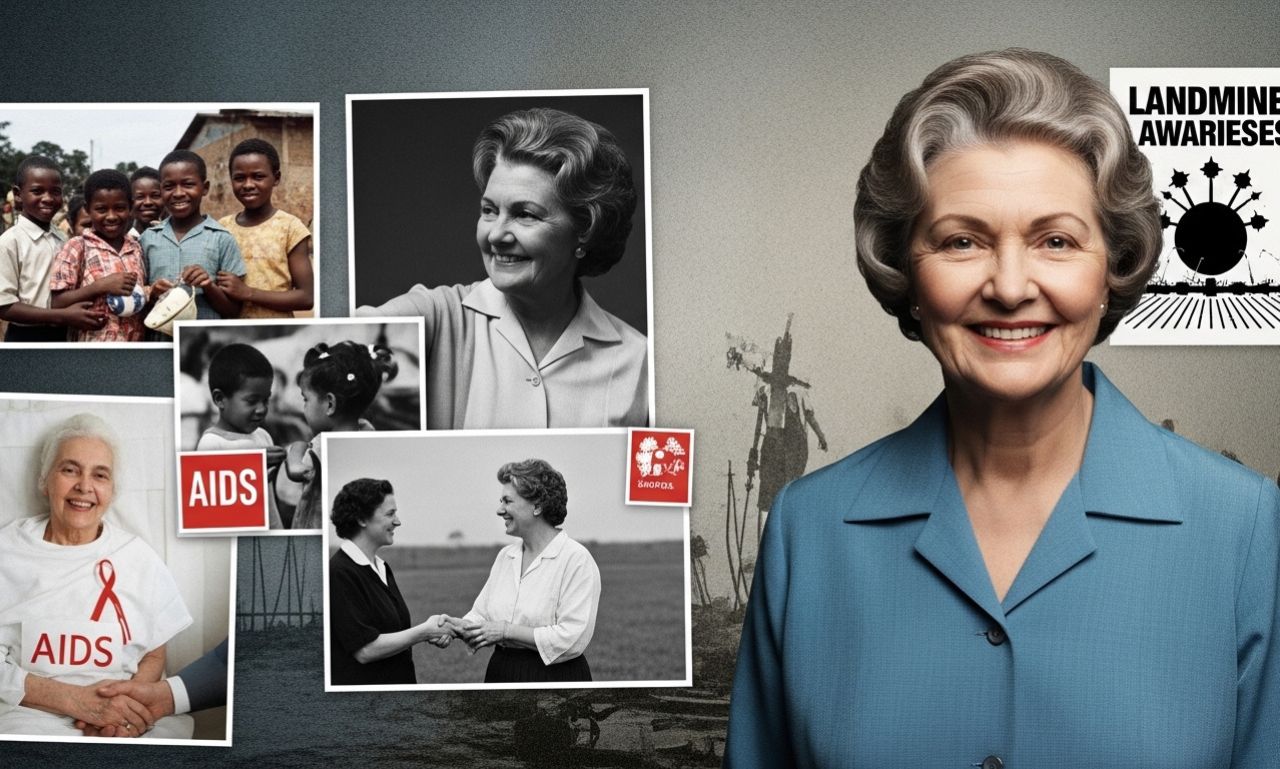
Diana, Princess of Wales, widely known as Princess Diana, was a member of the British royal family and one of the most admired public figures of the late 20th century. Known for her compassion, elegance, and humanitarian work, Diana became a global icon during and after her marriage to Charles III (then Prince of Wales).
Her dedication to charity, particularly in raising awareness about social and health issues, made her beloved by millions around the world.
Early Life of Princess Diana
Princess Diana was born Diana Frances Spencer on July 1, 1961, in Sandringham, England. She belonged to the aristocratic Spencer family, which had long-standing connections with the British royal family.
Diana grew up mostly in the countryside and attended several schools in England and Switzerland. Before becoming a member of the royal family, she worked as a kindergarten assistant in London.
Marriage to Prince Charles
Diana married Charles, Prince of Wales in 1981 at St Paul’s Cathedral in London. The wedding was watched by hundreds of millions of people worldwide, making it one of the most famous royal weddings in history.
After the marriage, she became Princess of Wales and quickly gained international attention for her style, grace, and approachability.
Diana and Charles had two sons:
-
William, Prince of Wales
-
Prince Harry, Duke of Sussex
Despite their public image, the marriage faced many difficulties and eventually ended in divorce in 1996.
Humanitarian Work
Princess Diana was deeply involved in charitable activities and supported numerous causes. She worked with organizations focusing on:
-
AIDS awareness
-
Homelessness
-
Children’s hospitals
-
Mental health
-
Landmine removal campaigns
One of her most influential efforts involved raising awareness about the dangers of landmines, working with groups such as the International Campaign to Ban Landmines.
Her compassionate approach helped change public attitudes toward many social issues.
Public Influence
Diana was often called the “People’s Princess”, a nickname that reflected her ability to connect with ordinary people. Unlike many traditional royal figures, she was known for:
-
Comforting patients in hospitals
-
Hugging children and vulnerable individuals
-
Speaking openly about personal struggles
Her openness about issues such as mental health and eating disorders helped reduce stigma around these topics.
Death and Global Reaction
Princess Diana died on August 31, 1997, following a car accident in Paris, France. Her death shocked the world and led to an outpouring of grief across many countries.
Millions of people paid tribute, and her funeral in Westminster Abbey was watched by a massive global audience.
Legacy of Princess Diana
Princess Diana’s influence continues decades after her death. Her sons, Prince William and Prince Harry, have continued many charitable initiatives inspired by their mother.
She remains remembered for:
-
Transforming the public image of the British royal family
-
Advocating humanitarian causes
-
Promoting compassion and kindness in public life
Her legacy as a humanitarian and cultural icon remains strong around the world.
Conclusion on Princess Diana
Princess Diana was more than a royal figure—she was a humanitarian who used her global platform to bring attention to important social issues. Her warmth, empathy, and dedication to helping others earned her lasting admiration and the enduring title of the “People’s Princess.”