
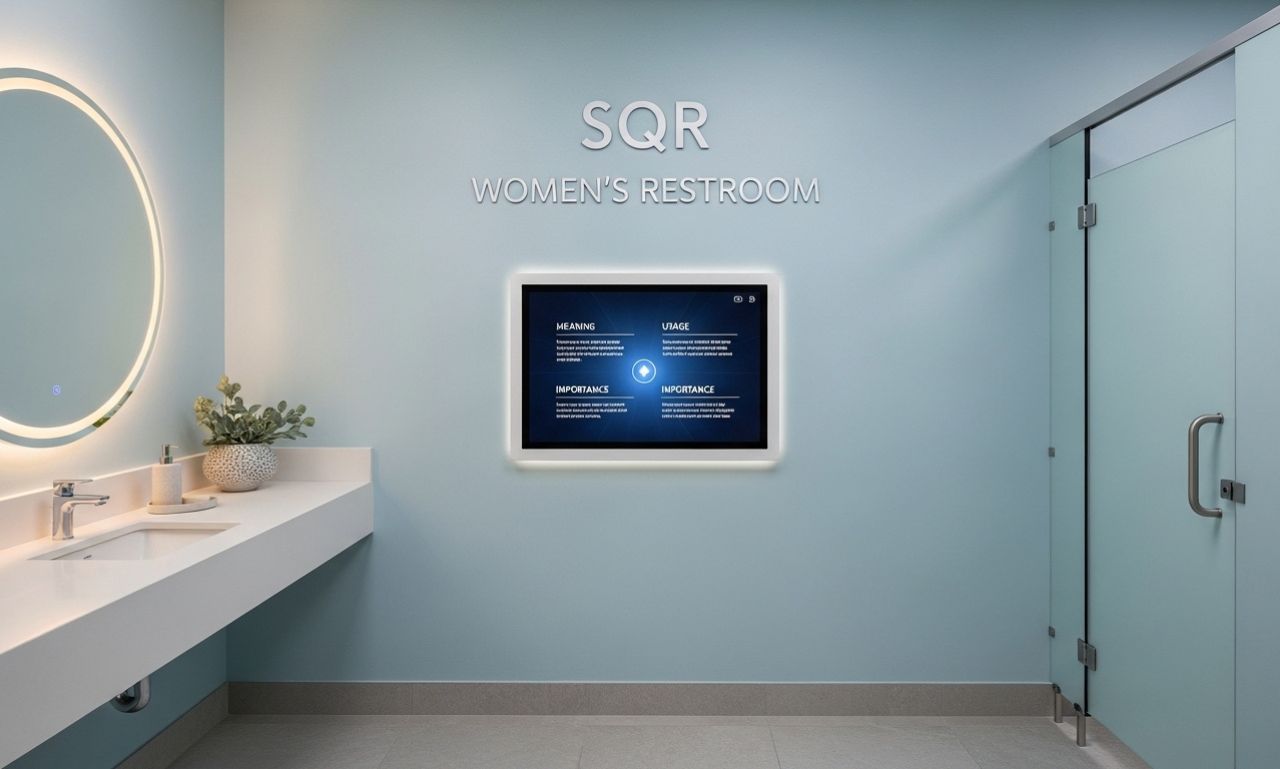
Public facilities rely on clear labeling and efficient management systems to maintain hygiene, accessibility, and organization. One term that occasionally appears SQRWomensRestroom in digital searches and facility documentation is “SQR Women’s Restroom.” While it is not a universally standardized phrase, it is often interpreted as a coded or abbreviated reference to a women’s restroom within a specific building, digital system, or maintenance database.
Modern buildings—such as shopping centers, airports, universities, and office complexes—often use short codes or labels to identify different facilities. These codes help staff quickly locate, maintain, and monitor important areas like restrooms.
Understanding the Term “SQR Women’s Restroom”
The phrase can be broken down into two parts:
SQR
This portion may represent a location code, building section identifier, or digital system label used by facility management teams. For example, buildings sometimes use abbreviations to indicate:
-
Floor or section numbers
-
Maintenance zones
-
Cleaning schedules
-
Smart facility management systems
Women’s Restroom
This simply refers to a restroom designed specifically for female users. Women’s restrooms are commonly found in public buildings and include facilities such as toilets, sinks, mirrors, and hygiene disposal units.
Together, the phrase SQR Women’s Restroom may refer to a specific restroom location within a coded building management system.
Why Codes Are Used for Facility Areas
Large buildings often contain dozens of restrooms, service rooms, and maintenance areas. Instead of writing long descriptions, facility managers use short codes to make identification easier.
Common reasons for using codes include:
1. Efficient Maintenance Management
Cleaning teams can quickly locate specific restrooms assigned in their schedules.
2. Digital Facility Systems
Many modern buildings use software systems to track cleaning, repairs, and inspections.
3. Emergency Response
Clear identification helps maintenance or security teams respond quickly when issues arise.
4. Large Building Navigation
Airports, hospitals, and universities may have hundreds of rooms, making coded systems practical.
Features of Modern Women’s Restrooms
Women’s restrooms in modern facilities are designed to provide comfort, hygiene, and accessibility. Typical features include:
-
Private toilet stalls
-
Handwashing sinks with soap dispensers
-
Hand dryers or paper towel stations
-
Mirrors and grooming areas
-
Sanitary disposal bins
-
Baby-changing stations in some locations
-
Accessibility features for people with disabilities
In many public buildings, designers aim to create spaces that are clean, safe, and convenient for all users.
Importance of Clean and Well-Maintained Restrooms
Restrooms are among the most frequently used spaces in public facilities. Their condition can strongly influence how people perceive a building or organization.
Proper restroom maintenance provides several benefits:
1. Hygiene and Public Health
Regular cleaning helps prevent the spread of germs and bacteria.
2. User Comfort
Visitors feel more comfortable using clean, well-maintained facilities.
3. Professional Image
Businesses and institutions are often judged by the cleanliness of their restrooms.
4. Safety and Accessibility
Well-maintained restrooms ensure that all users—including people with disabilities—can use the facilities safely.
Smart Restroom Management Systems of SQRWomensRestroom
In modern buildings, facility managers increasingly rely on smart management technologies to monitor restrooms.
These systems may include:
-
Occupancy sensors
-
Automated cleaning alerts
-
Maintenance reporting apps
-
Supply monitoring for soap and paper products
-
QR or digital codes for reporting issues
In such systems, codes like SQR may represent a specific location tag within the facility database.
The Role of Signage and Identification
Clear signage is essential for helping people locate restrooms easily. Good restroom signage should be:
-
Easy to read
-
Clearly visible
-
Accessible to people with disabilities
-
Consistent throughout the building
Some facilities combine traditional signage with digital mapping or coded systems used internally by staff.
Accessibility and Inclusive Designof SQRWomensRestroom
Modern restroom design also focuses on accessibility and inclusivity. This includes:
-
Wheelchair-accessible stalls
-
Braille signage
-
Adequate space for mobility devices
-
Proper lighting and safety features
Inclusive design ensures that facilities serve all visitors comfortably and safely.
Conclusion on SQRWomensRestroom
The term “SQR Women’s Restroom” likely represents a coded reference used in building management systems to identify a specific women’s restroom location. While the abbreviation itself may vary depending on the organization or facility, it reflects the growing use of structured labeling and digital tools in modern facility management.
As buildings become larger and more technologically advanced, systems that organize and monitor spaces—like restrooms—play an important role in maintaining hygiene, safety, and user satisfaction. Proper management ensures that these essential public facilities remain clean, accessible, and reliable for everyone who uses them.