

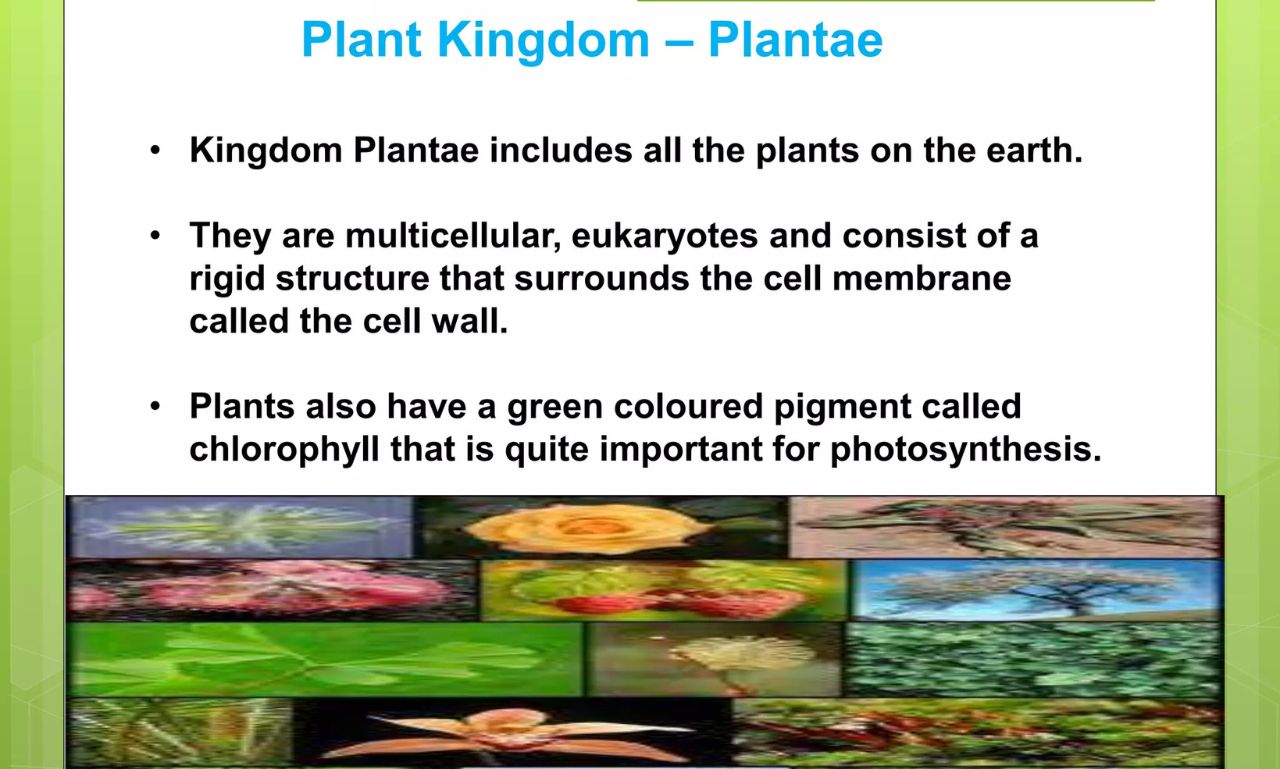
Plantae is one of the main biological kingdoms that includes all plants, from tiny mosses to large trees. Organisms in the Plantae kingdom are living things that produce their own food through photosynthesis, using sunlight, water, and carbon dioxide. Plants play a vital role in maintaining life on Earth by producing oxygen and serving as the foundation of most ecosystems.
Understanding what Plan tae is helps explain how plants grow, reproduce, and support life on our planet.
Definition of Plantae
Plantae refers to the plant kingdom, a major classification group in biology that includes all green plants. Members of the Plan tae kingdom are typically:
-
Multicellular organisms
-
Eukaryotic (cells contain nuclei)
-
Capable of photosynthesis
-
Usually rooted in soil or another surface
-
Producers in the food chain
Plants convert sunlight into energy, making them essential for ecological balance.
Characteristics of Plantae
Plants share several key characteristics that define the Plant ae kingdom.
1. Photosynthesis
Plants produce their own food through photosynthesis. This process uses:
-
Sunlight
-
Water
-
Carbon dioxide
The result is glucose (food for the plant) and oxygen released into the atmosphere.
2. Cell Structure
Plant cells have special features including:
-
Cell walls made of cellulose
-
Chloroplasts for photosynthesis
-
Large central vacuoles for storing water
These structures help plants maintain their shape and function.
3. Growth and Development
Most plants grow continuously throughout their lives. Growth occurs mainly in areas called meristems, located at the tips of roots and stems.
4. Reproduction
Plants reproduce in different ways:
Sexual Reproduction
-
Seeds
-
Flowers
-
Pollination
Asexual Reproduction
-
Runners
-
Cuttings
-
Spores
Both methods help plants spread and survive.
Types of Plants in the Plantae Kingdom
The Plan tae kingdom includes a wide variety of plants.
Non-Flowering Plants
These plants do not produce flowers or seeds.
Examples include:
-
Mosses
-
Ferns
-
Liverworts
They usually reproduce through spores.
Flowering Plants
Flowering plants produce seeds and flowers.
Examples include:
-
Grasses
-
Fruits and vegetables
-
Trees
-
Shrubs
These are the most common plants on Earth.
Gymnosperms
Gymnosperms produce seeds but do not have flowers.
Examples include:
-
Pine trees
-
Fir trees
-
Spruce trees
Their seeds are usually found in cones.
Importance of Plantae
Plants are essential for life on Earth.
Oxygen Production for What Is Plantae
Plants release oxygen during photosynthesis, which humans and animals need to breathe.
Food Source
Plants form the base of the food chain. Humans and animals depend on plants directly or indirectly for food.
Environmental Balance
Plants help:
-
Reduce carbon dioxide
-
Prevent soil erosion
-
Maintain ecosystems
-
Support wildlife
Medicine and Materials for What Is Plantae
Many medicines and products come from plants, including:
-
Herbal remedies
-
Wood products
-
Paper
-
Natural fibers
Examples of Plantae
Common examples of Plan tae include:
-
Trees
-
Flowers
-
Grass
-
Fruits
-
Vegetables
-
Ferns
These plants exist in forests, deserts, oceans, and urban environments.
Difference Between Plantae and Other Kingdoms
Plantae differs from other kingdoms in several ways:
| Feature | Plantae | Animals | Fungi |
|---|---|---|---|
| Food Source | Make their own food | Eat other organisms | Absorb nutrients |
| Movement | Usually stationary | Can move | Usually stationary |
| Cell Wall | Present | Absent | Present |
These differences help scientists classify living organisms.
Conclusion on What Is Plantae
Plan tae is the biological kingdom that includes all plants, from simple mosses to large trees. Plants are essential for life because they produce oxygen, provide food, and support ecosystems. Learning about Plantae helps us understand the natural world and the importance of protecting plant life.