

Muscle pain is a common issue that affects people of all ages. A lesser-known term that sometimes appears online is inomyalgia. While not widely recognized in mainstream medical literature, it seems to relate to muscle discomfort or pain conditions.
This article explores the meaning of inomyalgia, its possible causes, symptoms, and how it can be managed effectively.
What Is Inomyalgia?
Inomyalgia appears to be a term derived from “myalgia,” which refers to muscle pain. In this context, inomyalgia can be understood as:
A condition involving muscle aches, soreness, or discomfort, potentially linked to inflammation, strain, or underlying health issues.
It is important to note that inomyalgia is not a formally recognized medical diagnosis, but rather a variation or informal term used in some online discussions.
Causes of Inomyalgia
Muscle pain (or inomyalgia) can result from various factors, including:
1. Muscle Overuse
Excessive physical activity or exercise can strain muscles, leading to soreness and pain.
2. Injury or Trauma
Sprains, pulls, or minor injuries can trigger localized muscle pain.
3. Stress and Tension
Emotional stress can cause muscles to tighten, especially in the neck and shoulders.
4. Infections
Certain viral or bacterial infections may lead to body aches and muscle discomfort.
5. Chronic Conditions
Some long-term conditions can cause widespread muscle pain, such as Fibromyalgia.
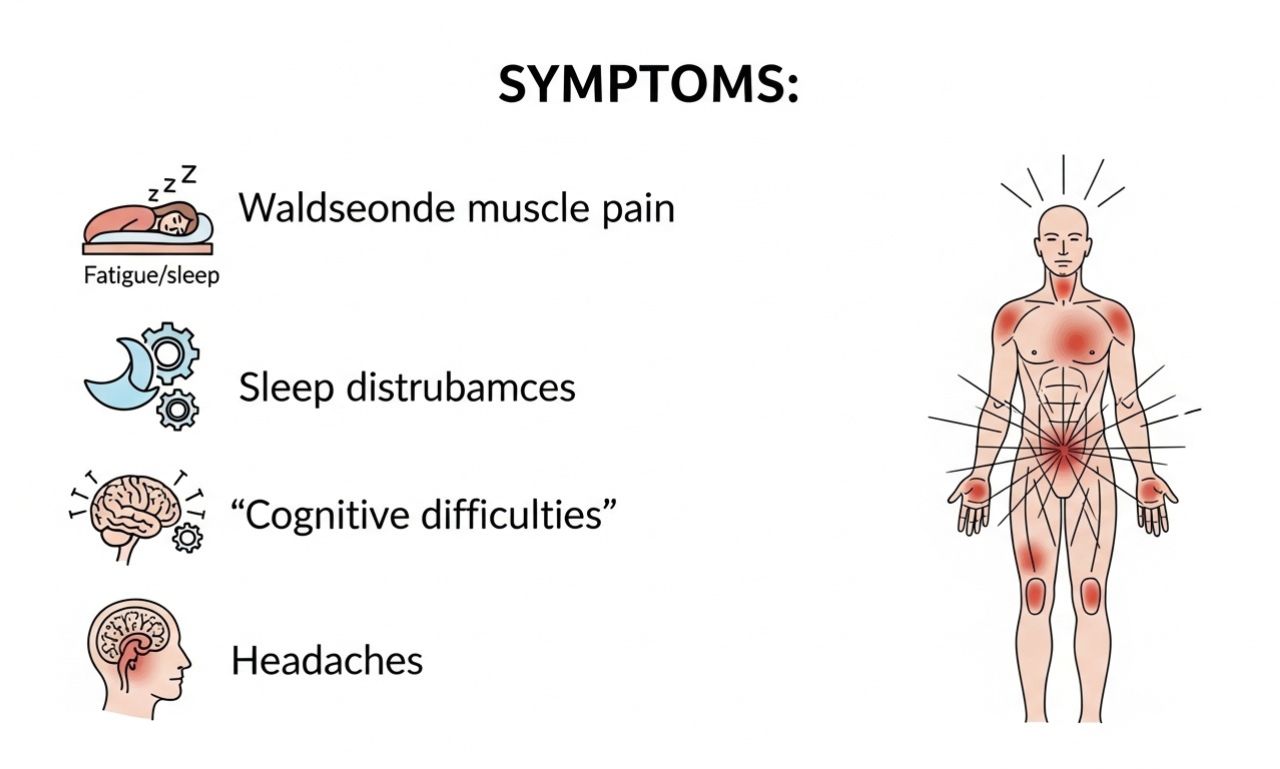
Symptoms of Inomyalgia
Symptoms may vary depending on the underlying cause but often include:
-
Muscle soreness or tenderness
-
Stiffness or reduced flexibility
-
Localized or widespread pain
-
Fatigue
-
Occasional swelling
In some cases, symptoms may worsen with movement or physical activity.
How Is Inomyalgia Diagnosed?
Since inomyalgia is not an official medical term, diagnosis usually focuses on identifying the underlying cause of muscle pain. Doctors may:
-
Review medical history
-
Perform a physical examination
-
Recommend blood tests or imaging if needed
Proper diagnosis ensures that serious conditions are not overlooked.
Treatment Options for Inomyalgia
1. Rest and Recovery
Allowing muscles to heal is essential, especially after strain or injury.
2. Pain Relief Medications
Over-the-counter medications like Ibuprofen can help reduce pain and inflammation.
3. Physical Therapy
Stretching and strengthening exercises can improve muscle health and flexibility.
4. Heat and Cold Therapy
-
Ice packs reduce inflammation
-
Heat therapy relaxes tight muscles
5. Stress Management
Relaxation techniques such as yoga or meditation can help reduce muscle tension.
When to See a Doctor
Seek medical attention if:
-
Pain persists for several weeks
-
Symptoms worsen over time
-
There is severe swelling or weakness
-
Pain is accompanied by fever or unexplained weight loss
These could indicate a more serious condition.
Prevention Tips
To reduce the risk of muscle pain:
-
Stay physically active but avoid overexertion
-
Warm up before exercise
-
Maintain good posture
-
Stay hydrated
-
Manage stress effectively
Conclusion
Inomyalgia is an informal term often used to describe muscle pain or discomfort. While it is not a medically recognized condition, the symptoms associated with it are real and can impact daily life.
Understanding the possible causes and treatment options can help individuals manage muscle pain effectively and improve overall well-being. If symptoms persist, consulting a healthcare professional is always the best course of action.
FAQs
What does inomyalgia mean?
It refers to muscle pain or discomfort, similar to myalgia.
Is inomyalgia a medical condition?
No, it is not officially recognized in medical terminology.
What causes inomyalgia?
Common causes include muscle strain, stress, injury, or underlying conditions.
How is inomyal gia treated?
Treatment includes rest, pain relief medications, physical therapy, and lifestyle changes.